Sleep apnea and snoring management
香港牙醫WhatsApp 親身回覆睡眠窒息症與鼻鼾管理問題
牙周病牙醫
Sleep apnea and snoring management
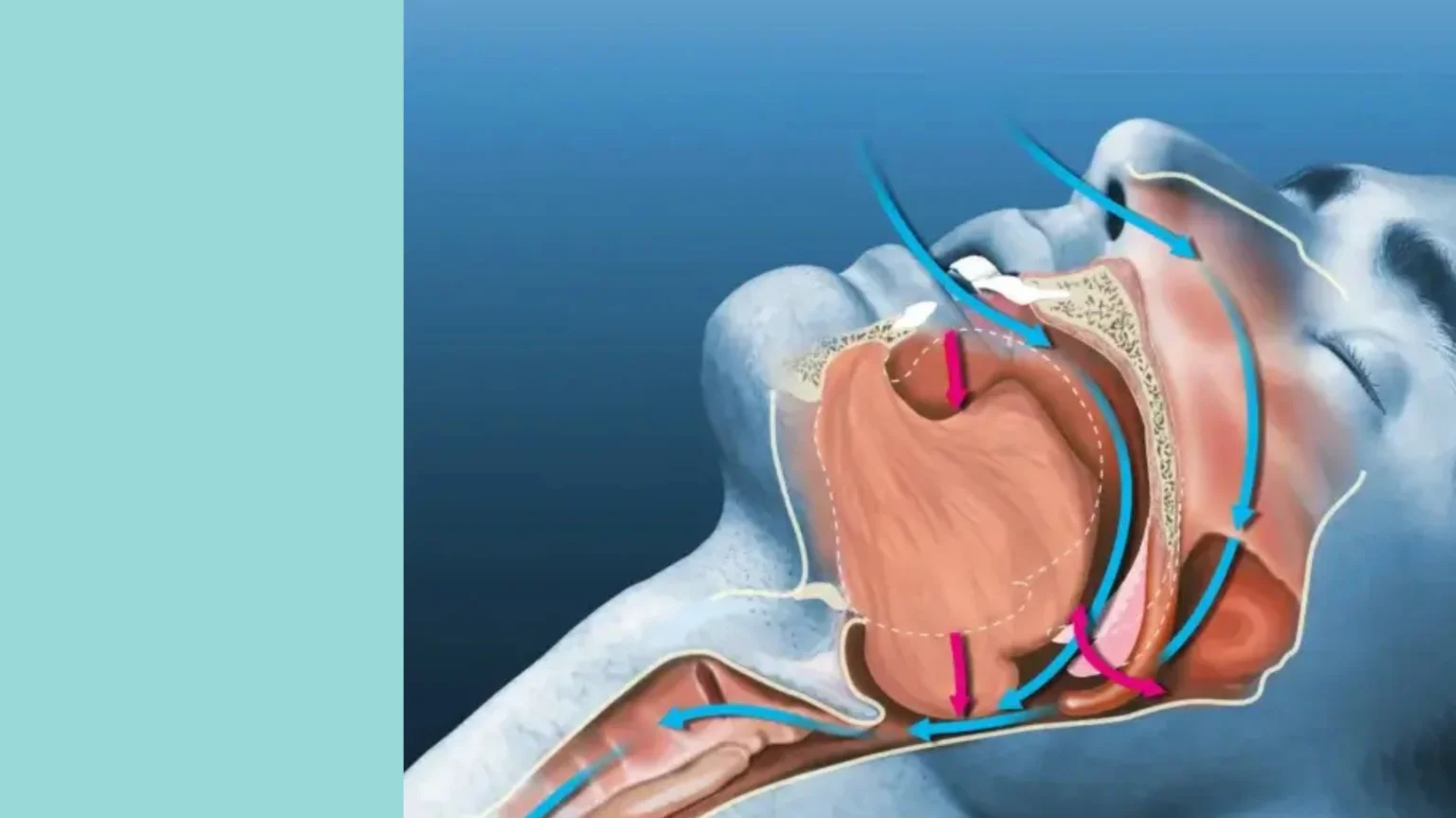
阻塞性睡眠呼吸暫停(OSA)是睡眠時上氣道反覆塌陷導致呼吸暫停或氣流減少,常見為大聲打鼾、睡眠中呼吸中止與白天嗜睡;診斷由家庭醫生或耳鼻喉科/睡眠科評估,並以居家睡眠監測或多導睡眠檢查量化嚴重度;治療包括生活習慣改變、對中重度以 CPAP 為主、輕中度或不耐受者可用下頷前移口腔矯治器,解剖性阻塞則需耳鼻喉科評估是否手術或鼻腔治療
如果有以下情況,就要及早注意
怎知道自己有睡眠窒息症
- Severe snoring鼻鼾聲大且間歇性停止,之後突然大聲響起
- Daytime sleepiness即使睡足時間,仍感疲倦、易打瞌睡
- 睡眠時頻繁呼吸暫停成人 : 每小時多過5 次呼吸暫停,而每次多過10 秒
- Memory decline and difficulty concentratingThe sensation of biting changes, and the teeth are no longer stable.
睡眠窒息症與鼻鼾管理過程
2026在香港睡眠窒息症與鼻鼾管理過程
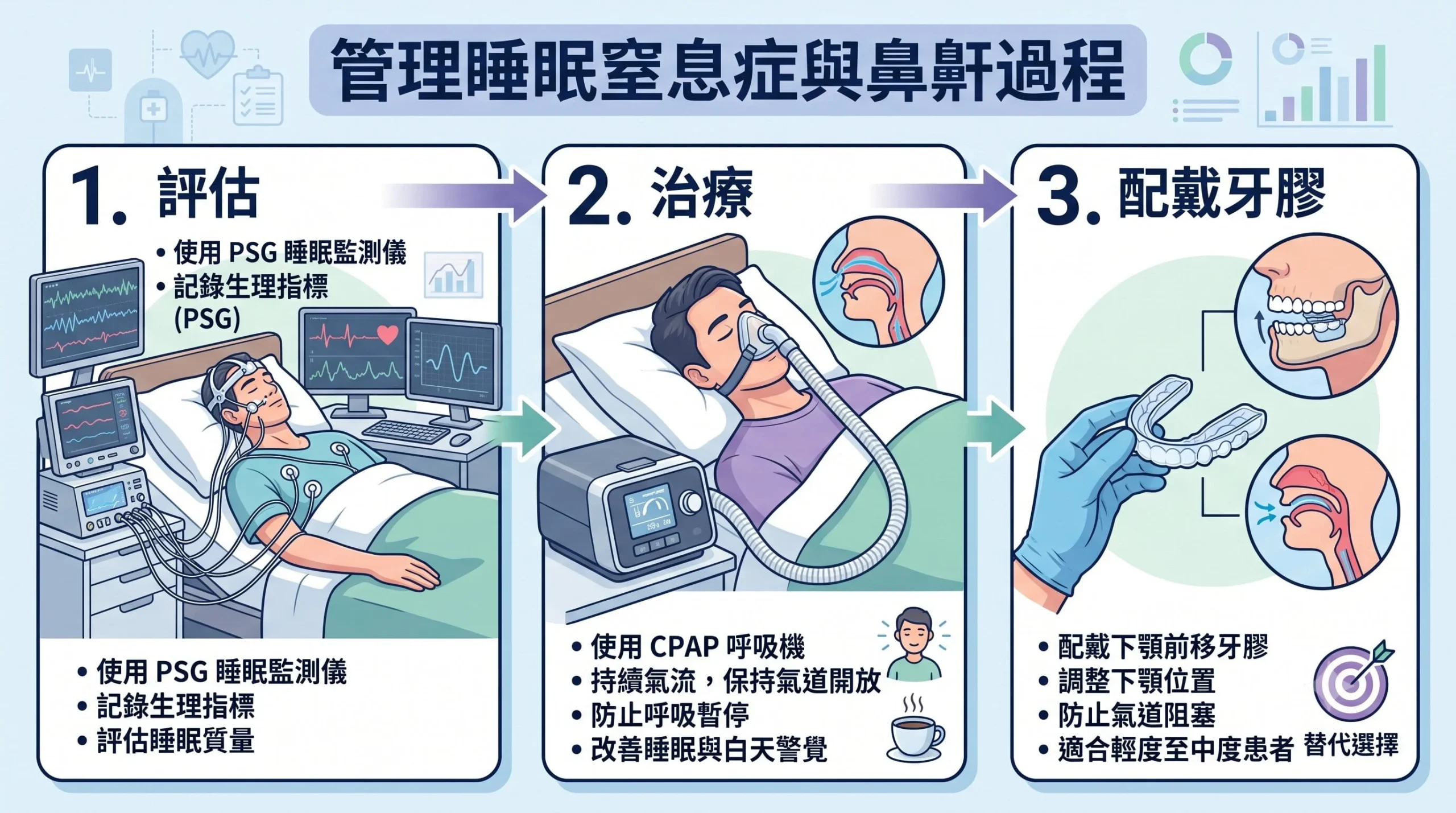
初步評估
The PSG polygraph sleep analyzer is used to record multiple physiological indicators to assess sleep quality and structure.
睡眠窒息症與鼻鼾管理步驟 1
初步評估
管理
Using a CPAP machine provides continuous airflow through a nasal mask, keeping the airway open, preventing sleep apnea, and improving sleep quality and daytime alertness.
睡眠窒息症與鼻鼾管理步驟 2
管理
配戴牙膠
Adjusting the position of the jaw can prevent airway obstruction. This is an effective alternative for patients with mild to moderate sleep apnea.
睡眠窒息症與鼻鼾管理步驟 3
配戴牙膠
睡眠窒息症主要分為三種不同類型,每種的成因和治療方式略有不同
Types of sleep apnea
| type | Common population |
| Obstructive sleep apnea (OSA) | Obese, middle-aged men, enlarged tonsils, and patients with nasal allergies |
| Central sleep apnea (CSA) | Stroke, brain trauma, heart disease patients |
| Mixed sleep apnea (MSA) | The condition is complex and requires professional diagnosis and comprehensive treatment. |
難牙周袋深度、骨吸收百分比、牙齦出血指數
睡眠窒息症成因
- Age and genderThe incidence rate in adults increases with age; the incidence rate is higher in men than in women, with a ratio of 2:1; however, the incidence rate increases significantly in postmenopausal women.
- Family geneticsPeople with a family history of this condition have a 2-4 times higher risk.
- Physiological tissue structureThis includes conditions such as deviated nasal septum, enlarged nasal turbinates, enlarged adenoids and tonsils, enlarged tongue, tongue sarcoma, and craniofacial deformities.
- obesitySleep apnea is a major cause of sleep apnea, and sleep apnea can also exacerbate obesity due to low oxygen intake.
- Alcohol or sedative-hypnotic drugsIt reduces the respiratory center's response to hypoxia and excessive carbon dioxide in the blood, thereby reducing the tension of the upper respiratory tract muscles and causing upper respiratory tract collapse; it also inhibits the central arousal mechanism and prolongs the duration of apnea.

Sleep apnea and snoring management fees
2026 在睡眠窒息症與鼻鼾管理價錢
睡眠窒息症與鼻鼾管理常見問題
如有睡眠窒息症與鼻鼾管理問題,可WhatsApp我們,會有牙醫親身回答
Managing sleep apnea and snoring requires not only medical intervention but also adjustments to lifestyle habits and continuous monitoring.
Does snoring always indicate sleep apnea?
What is snoring?
Anatomical structureSuch as a deviated nasal septum or abnormal jawbone structure.
Upper airway obstructionSymptoms include nasal congestion, enlarged tonsils, or laxity of the throat tissues.
Lifestyle factorsObesity, smoking, drinking alcohol, and the use of certain medications can all increase the risk of snoring.
What are the negative effects of snoring on the body?
PSG polymorphism sleep analyzer principle
What are the negative effects of sleep apnea on the body?
Daytime sleepinessPatients may experience extreme fatigue during the day, which can affect their work and daily life performance and increase the risk of accidents such as traffic accidents and workplace accidents.
Metabolic problemsSleep apnea is associated with metabolic syndrome and may lead to problems such as obesity, diabetes, and fatty liver.
Mental health issuesInsufficient sleep can lead to anxiety, depression, and other mental health problems. Patients may experience mood swings, irritability, or difficulty concentrating.
cognitive declinePoor sleep quality can affect memory, learning ability, and mental clarity, leading to poor concentration and slow reaction time.
Impaired immune systemInsufficient sleep may weaken the immune system, making the body more susceptible to infections and diseases.
The link between sleep apnea and snoring
聯絡我們
查詢牙科問題或網上預約睇牙
- (852) 2898 885199 Plaza, 10th floor dental clinic contact
- (852) 2898 3386Shop at Winning Heights clinic contact
- (852) 6061 7527Dr. Eric Chan's WhatsApp