Teeth Cleaning
香港牙醫WhatsApp 親身回覆洗牙問題
洗牙牙醫
什麼是洗牙
洗牙是指專業的牙齒清潔,利用超聲波或手動器械去除牙齒表面的牙石、牙菌斑及色素沉積,再進行拋光,使牙齒表面光滑,減少細菌附著。洗牙的主要目的不是美白,而是預防牙周病、牙齦炎及蛀牙,並保持口腔健康。
洗牙牙醫
甚麼情況下要洗牙
- Prevention of tartar, cavities and periodontal diseaseRegular dental cleanings can effectively remove bacteria and plaque from the tooth surface, eliminate tartar, prevent its further development, and reduce the risk of cavities, gingivitis, periodontitis, and other oral problems.
- Other oral phenomenaYou should schedule a professional dental cleaning immediately if you experience any of the following: red and swollen gums, bleeding gums while brushing, or persistent bad breath – these could be early signs of periodontal disease; noticeable tartar or staining on the teeth indicates incomplete cleaning; feeling unclean even after daily brushing may indicate excessive plaque buildup; and those with a history of cavities or periodontal disease should have regular dental cleanings to prevent recurrence. These conditions suggest that your oral health may be compromised and should not be delayed.
- Special ethnic groupsCertain groups are advised to have their teeth cleaned every three months, including pregnant women, diabetics, those with periodontal disease, braces wearers, people with dry mouth or taking high blood pressure medication, and patients undergoing chemotherapy or radiation therapy. These groups are more prone to plaque buildup, gingivitis, or weakened immunity, and therefore need regular cleanings to prevent periodontal disease and other oral diseases.
Teeth cleaning process
2026在香港洗牙過程
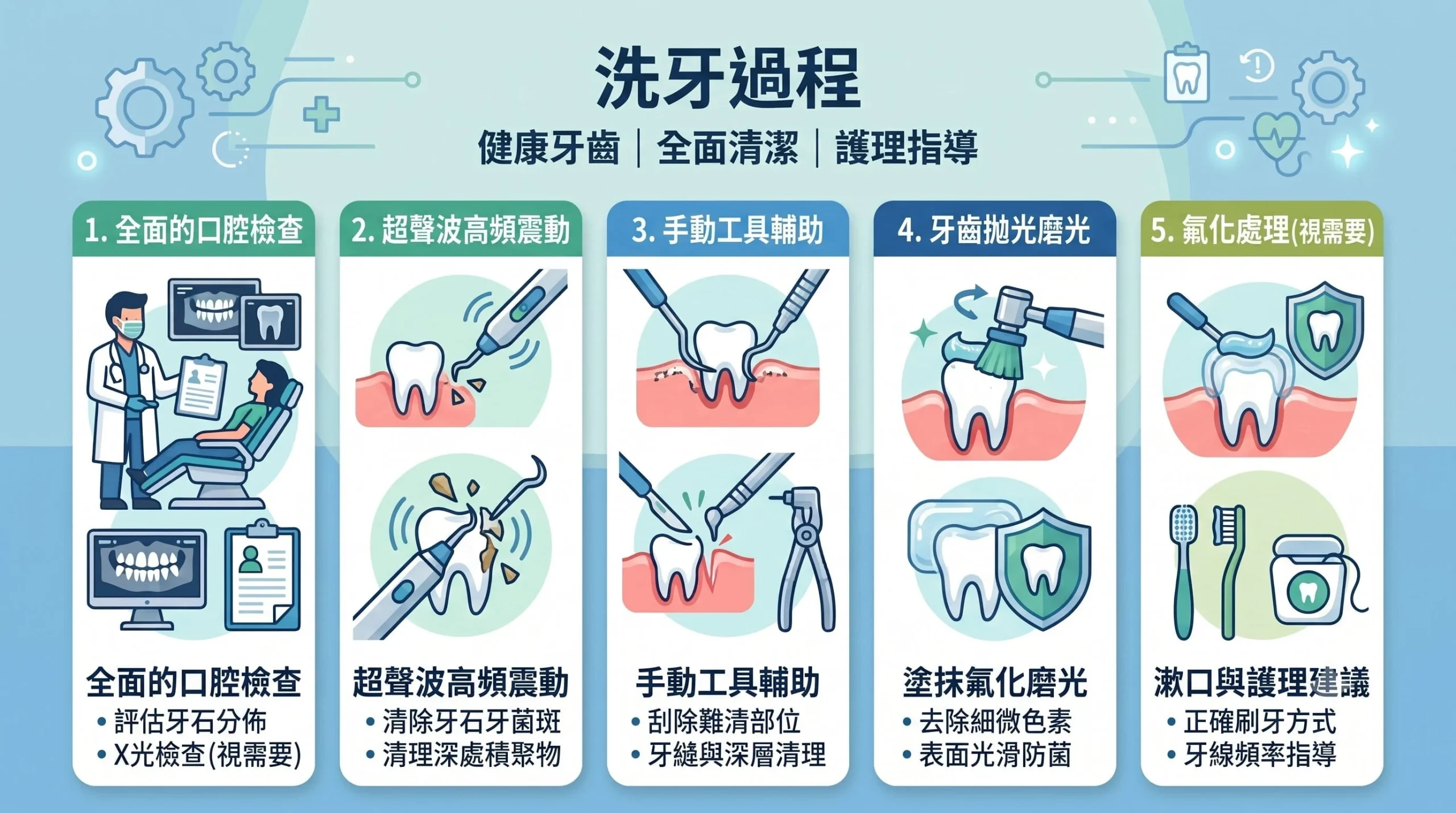
Oral examination
The dentist will conduct a comprehensive examination of the health of the teeth, gums, and oral mucosa to check for cavities, periodontal disease, or other abnormalities. They will also assess the distribution of tartar and plaque to determine the appropriate cleaning method. If necessary, the dentist may also recommend an X-ray (at an additional cost) to gain a deeper understanding of the tooth roots or the location of hidden lesions.
洗牙步驟 1
Oral examination
超聲波洗牙
Dentists use high-frequency vibration instruments to break up and remove tartar and plaque from the tooth surface and below the gum line. This method is particularly effective at cleaning deposits between teeth and deep in the gums, improving cleaning efficiency and reducing wear on the tooth surface.
洗牙步驟 2
超聲波洗牙
手動清潔工具輔助
Use a manual scraping tool for hard-to-clean areas (such as the back of teeth or deep in the gums).
洗牙步驟 3
手動清潔工具輔助
牙齒拋光
Dentists use polishing paste and soft tools to gently polish the tooth surface. This not only removes minor stains but also makes the tooth surface smoother, thereby reducing bacterial adhesion and plaque formation, which helps maintain oral hygiene and aesthetics.
洗牙步驟 4
牙齒拋光
氟化處理(視乎需要)
It provides a fluoride coating to protect the enamel and reduce the risk of sensitivity and cavities.
洗牙步驟 5
氟化處理(視乎需要)
漱口與護理建議
Dentists provide personalized oral care advice based on individual circumstances, including proper brushing techniques and the frequency of flossing or mouthwash use, to promote healthy teeth and gums.
洗牙步驟 6
漱口與護理建議
接受洗牙前後注意事項
洗牙前後須知
- 病史與用藥告知若有心臟病、糖尿病或正在服用抗凝血藥物,應事先告知牙醫,以便調整治療方式。
- 口腔清潔診前保持基本刷牙與漱口,避免食物殘渣影響檢查與洗牙效果。
- 心理與時間準備安排好就診時間,避免趕急;若容易牙齦敏感或對洗牙有恐懼,可事先與牙醫溝通,讓過程更舒適。
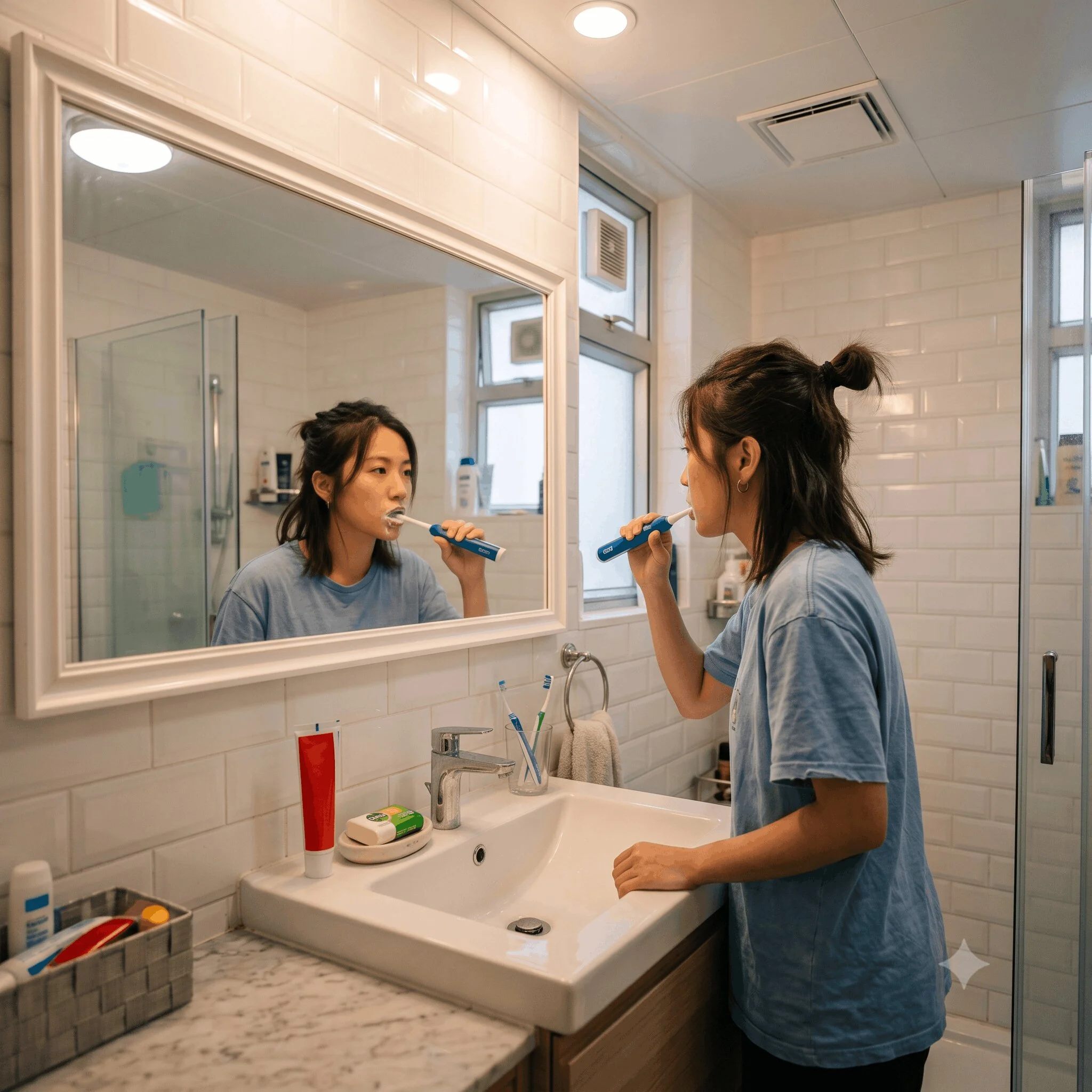

Teeth cleaning fee
2026 在香港洗牙價錢

Common problems with teeth cleaning
如有洗牙問題,可WhatsApp我們,會有牙醫親身回答
Will it hurt when I get my teeth cleaned?
Will teeth cleaning damage my teeth?
How often should I get my teeth cleaned?
Is it easy to experience bleeding gums after a teeth cleaning?
Does teeth whitening make teeth whiter?
How long does a teeth cleaning take?
Does teeth cleaning make teeth looser and widen the gaps between teeth?
Are your teeth sensitive after a teeth cleaning?
For patients with existing periodontal disease and receding gums, if sensitivity after a cleaning persists for an extended period or is accompanied by other discomfort, it is recommended to consult a dentist promptly to ensure there are no underlying problems. To alleviate post-cleaning sensitivity, the dentist may recommend using a specialized toothpaste for sensitive teeth and maintaining good oral hygiene habits.
聯絡我們
查詢牙科問題或網上預約睇牙
- (852) 2898 885199 Plaza, 10th floor dental clinic contact
- (852) 2898 3386Shop at Winning Heights clinic contact
- (852) 6061 7527Dr. Eric Chan's WhatsApp