
Non-surgical periodontal disease treatment
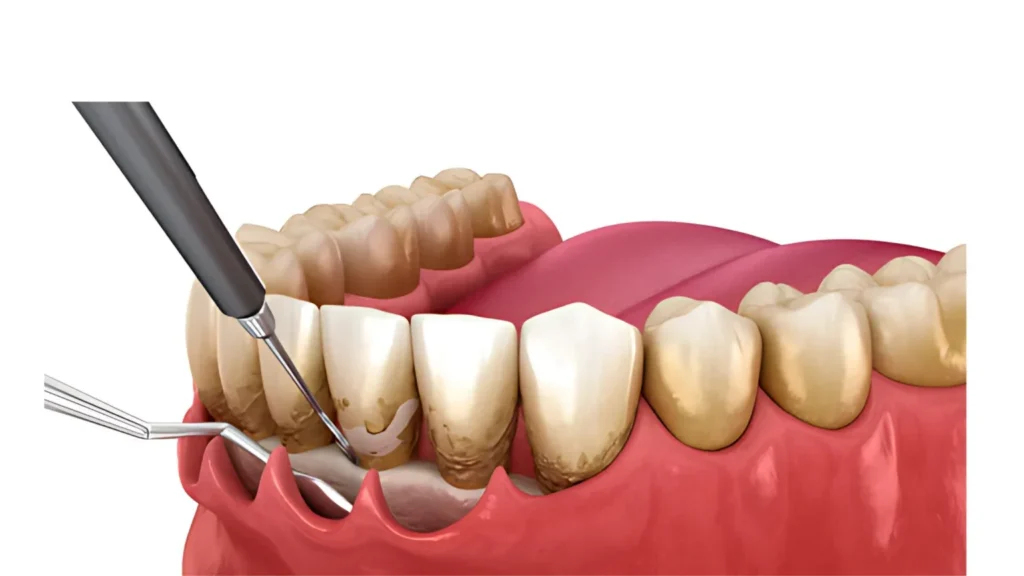
非手術性牙周病治療為牙周病的初始治療方式,包括指導患者掌握正確刷牙方法,以及實施根面整平術,清除牙根表面牙石、細菌及發炎組織。
一般而言,整個治療週期約為三個月,且大部分牙周病可透過此類治療控制病情進展。
治療期間,患者需主動改善生活習慣及口腔衛生習慣,包括控制血糖、戒煙,以達至治療效果。
怎樣知道自己患有牙周病呢?
牙周病的病徵
早期病徵較隱匿,常見刷牙或進食時牙齦出血、牙齦紅腫、牙齦發癢;病情進展後,可能出現牙齦退縮、牙根暴露、牙齒鬆脫、牙縫變大;
部分患者伴隨口臭,且該口臭難以透過常規口腔清潔緩解。
Bleeding gums while brushing teeth
Bleeding gums, especially when brushing your teeth gently, may be a sign of gingivitis.
Red, swollen, or painful gums
The gums may darken in color, become swollen or tender, or even have pus oozing from them.
Gum recession, exposed tooth roots
Teeth appear longer, gums recede, gaps between teeth widen, and food easily gets stuck.
Loose or displaced teeth
The sensation of biting changes, and the teeth are no longer stable.
Periodontal disease treatment fees
2026牙周病治療價錢
Many factors influence the cost of periodontal disease treatment, and it usually needs to be assessed based on the patient's specific situation. It is recommended that patients discuss all relevant budget and treatment requirements with their dentist when considering root canal treatment to reach a consensus and obtain the most suitable treatment plan.
| Treatment methods for periodontal disease | Periodontal disease treatment fees |
|---|---|
| Non-surgical periodontal disease treatment (deep cleaning of the entire mouth) | HKD$19,000+ |
| Supportive periodontal disease treatment | HKD1,200+ per visit |
| Routine teeth cleaning for periodontal disease | HKD$680 |
Periodontal disease treatment process
2026在香港牙周病治療過程
When treating periodontal disease, regardless of its severity, patients are usually advised to begin with non-surgical periodontal therapy. The entire treatment process takes approximately three months, and most patients can control their condition and achieve satisfactory results through non-surgical periodontal therapy.
Common periodontal disease
Patients with periodontal disease do not clean their mouths properly and effectively on a daily basis. This causes food debris to easily accumulate in the gaps between the gums, forming a "plastic film" that eventually turns into tartar. As it is ingested deeper and deeper into the gums and below the gum line, the gums shrink on their own, leading to gum recession and bone loss, which results in periodontal disease.
Many people may not know that one of the major risks of periodontal disease is that it is contagious. The bacteria that cause periodontal disease can be transmitted between family members or partners through saliva, which means that if someone in a family has periodontal disease, other members are at increased risk of developing the disease.
Periodontal disease is a chronic bacterial infection. When the gums are inflamed, bacteria can enter the body through the bloodstream, particularly the heart and vascular system. These bacteria and the inflammatory response can lead to atherosclerosis because the toxins released by periodontal bacteria irritate the inner walls of blood vessels, triggering inflammation, promoting plaque formation, and increasing the risk of myocardial infarction and stroke.
Diabetic patients, due to unstable blood sugar control, are prone to exacerbating periodontal inflammation, which in turn affects the vascular system. Smokers, drinkers, and betel nut chewers have weakened immunity and oral mucosal repair capabilities, increasing the risk of infection. Patients undergoing dialysis or chemotherapy have weakened immune systems, making them more susceptible to bacterial invasion of the bloodstream and harming the heart. Patients with rheumatoid arthritis already have chronic inflammation, and periodontitis may worsen overall inflammation. Furthermore, pregnant women are prone to swollen and bleeding gums due to hormonal changes; if not properly managed, this can indirectly affect cardiovascular health.
Periodontal disease is a long-term condition, similar to other chronic diseases like hypertension and diabetes. It can only be managed, not completely cured. Well-controlled periodontal disease, with regular checkups and cleanings, can prevent it from worsening. Periodontal disease must be treated before it can be controlled. This is because tartar buildup is located below the gum line, and cannot be removed by brushing alone.
If a pregnant woman has periodontal disease, bacteria and toxins in her mouth may enter the placenta through the bloodstream, stimulating the body to produce an inflammatory response, which in turn can cause uterine contractions or rupture of membranes, leading to premature birth or low birth weight.
術後腫脹與不適:清除牙石或進行牙周翻瓣手術後,牙齦可能短暫腫脹或疼痛。
牙齒敏感:牙根暴露後,部分患者會出現冷熱敏感。
牙齒鬆動:治療過程中去除病變組織,可能讓原本支撐不足的牙齒顯得更鬆動。
牙齦退縮:牙周病控制後,牙齦可能因組織修復而退縮,牙齒看起來變長。
感染或出血:手術治療後若清潔不當,可能引起局部感染或延長出血時間。
Make appointment
You can book your dental check-up and periodontal treatment at Excelsior Dental Centre online in advance. For any dental questions, you can also WhatsApp us first, and a dentist will answer them personally.